
Categories
Real Estate Tips & AdvicePublished June 28, 2026
Common Home Inspection Issues (And Why They Don't Always Mean the Deal Is Over)

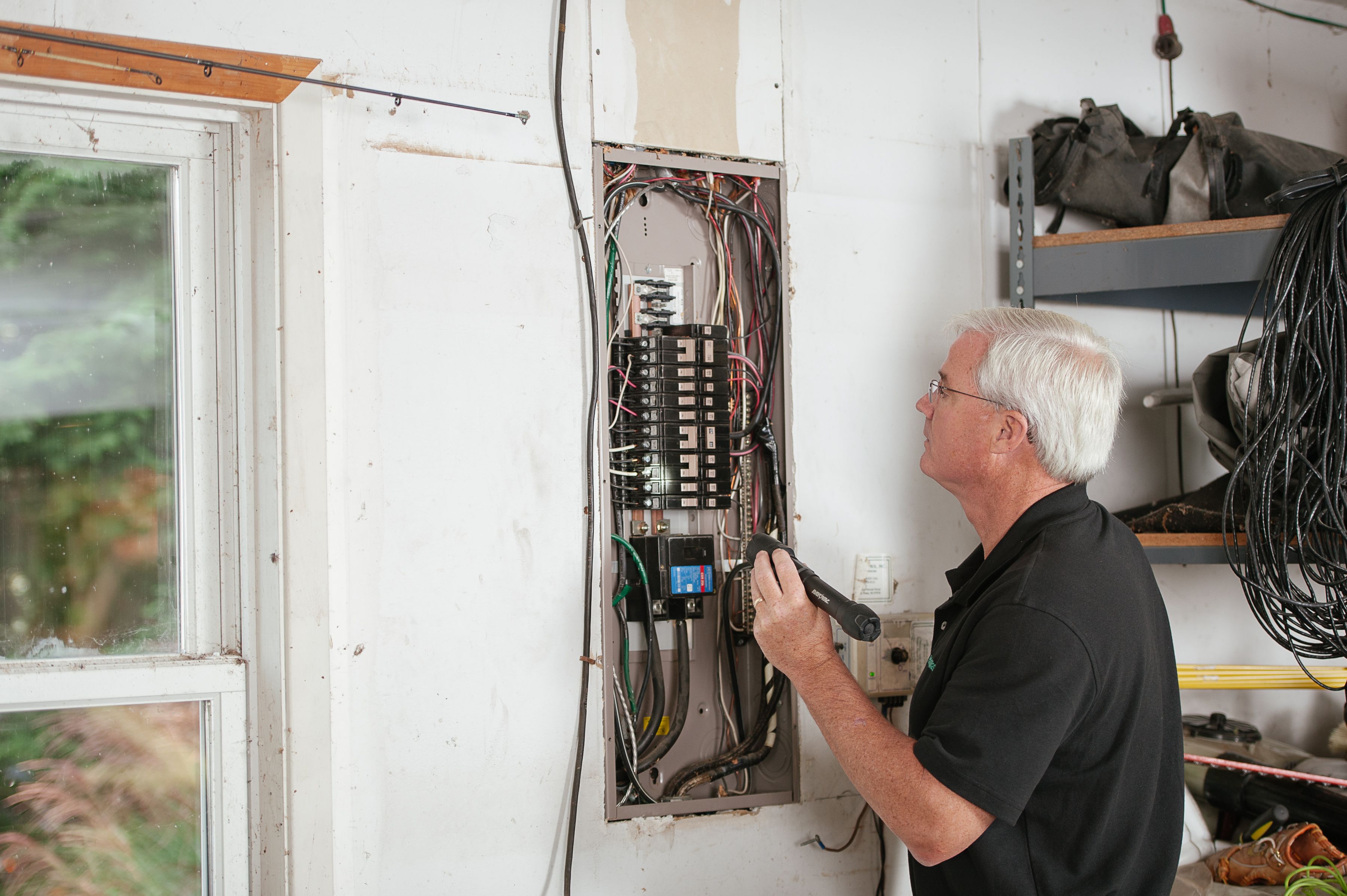
Common Home Inspection Issues (And Why They Don't Always Mean the Deal Is Over)
For many buyers and sellers, the home inspection can feel like one of the most stressful parts of the real estate process. It's natural to feel nervous when an inspector spends several hours examining the property and delivers a detailed report afterward.
The good news? Nearly every home inspection uncovers something. Even newer homes can have maintenance items or minor deficiencies. An inspection report is meant to provide information about the home's current condition—not necessarily indicate that something is wrong.
Here are some of the most common issues inspectors identify and what they may mean during a transaction.
1. Roofing Concerns
Inspectors often look for:
- Missing or damaged shingles
- Worn flashing
- Moss or debris buildup
- Signs of previous leaks
Not every roofing issue requires a replacement. Sometimes the recommendation is simply routine maintenance or continued monitoring.
2. Plumbing Issues
Minor plumbing concerns are among the most common inspection findings.
Examples include:
- Dripping faucets
- Slow drains
- Running toilets
- Loose fixtures
- Minor leaks beneath sinks
Many of these repairs are relatively straightforward, but it's still important to address them before they become larger problems.
3. Electrical Items
Electrical systems are carefully evaluated during an inspection for both functionality and safety.
Inspectors may note:
- Missing GFCI outlets where required
- Loose outlets or switches
- Exposed wiring
- Missing electrical panel labels
- Older electrical components
Some recommendations involve simple updates, while others may warrant further evaluation by a licensed electrician.
4. HVAC Maintenance
Heating and cooling systems are another common area of focus.
An inspector may recommend servicing the system if they observe:
- Dirty filters
- Deferred maintenance
- Inconsistent airflow
- Equipment nearing the end of its expected lifespan
Regular servicing can help improve performance and extend the life of your HVAC system.
5. Moisture and Drainage
Water is one of a home's biggest long-term concerns.
Inspectors often look for:
- Standing water near the foundation
- Poor grading
- Clogged gutters
- Moisture in crawlspaces
- Signs of previous water intrusion
Addressing drainage issues early can help prevent more significant structural problems over time.
6. Windows and Doors
A report may include notes about:
- Broken seals
- Sticking windows
- Missing weatherstripping
- Doors that don't latch properly
These items are often considered routine maintenance but can improve energy efficiency and day-to-day functionality when repaired.
7. Deferred Maintenance
Many inspection reports include a collection of smaller maintenance items that have accumulated over time.
Examples might include:
- Peeling paint
- Loose handrails
- Cracked caulking
- Damaged trim
- Missing screens
While individually minor, addressing these items helps demonstrate that a home has been well maintained.
Inspection Reports Are Meant to Inform
It's important to remember that a home inspection isn't a pass-or-fail test. Instead, it's an opportunity for buyers to better understand the property's condition and for both parties to have informed conversations about any concerns that arise.
In many cases, buyers and sellers work together to reach an agreement through repairs, credits, or other negotiated solutions. Every transaction is unique, and the best approach depends on the specific circumstances.
Guidance Throughout the Process
Whether you're buying your first home or preparing to sell, understanding the inspection process can help reduce stress and set realistic expectations. Having an experienced real estate professional by your side can make it easier to navigate inspection findings and keep your transaction moving forward with confidence.

Michael McKillion
Operator | McKillion Real Estate Group | Keller Williams Sunset Corridor | PLACE
or another way