
Categories
Real Estate Tips & AdvicePublished June 28, 2026
Simple Ways to Boost Your Home's Energy Efficiency

Simple Ways to Boost Your Home's Energy Efficiency
Making your home more energy efficient doesn't always require major renovations. In many cases, a few simple improvements can help reduce utility bills, improve indoor comfort, and lessen your home's environmental impact.
Whether you've recently purchased a home or have lived in the same place for years, these practical tips can help you get the most out of your home's energy use.
1. Replace HVAC Filters Regularly
Your heating and cooling system works most efficiently when air can flow freely.
Replacing your HVAC filter every one to three months, depending on the type of filter and your household, can improve airflow, reduce strain on the system, and help maintain indoor air quality.
2. Seal Air Leaks
Small gaps around doors, windows, and utility penetrations can allow conditioned air to escape.
Inspect your home for drafts and replace worn weatherstripping or caulk where needed. These inexpensive improvements can make your home more comfortable throughout the year.
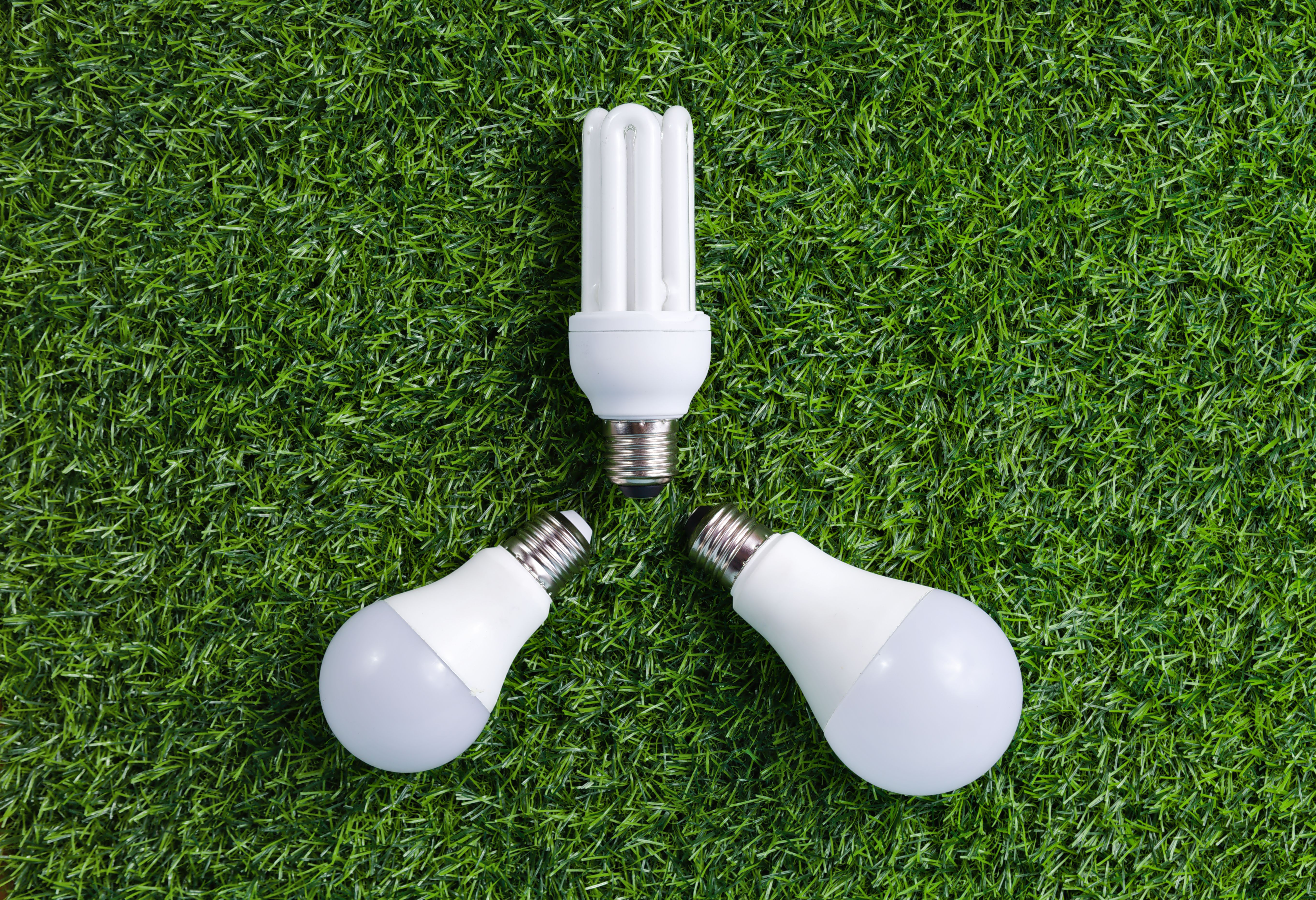
3. Upgrade to LED Lighting
If you still have incandescent or halogen bulbs, consider replacing them with LED bulbs.
LEDs use significantly less energy, last much longer, and are available in a variety of brightness levels and color temperatures to fit every room.
4. Use a Programmable or Smart Thermostat
A programmable or smart thermostat can automatically adjust your home's temperature based on your schedule.
Reducing heating or cooling when you're away from home can help lower energy consumption without sacrificing comfort.
5. Maintain Your Water Heater
Your water heater is one of the largest energy users in your home.
Flushing the tank periodically (if recommended by the manufacturer), insulating older water heaters, and setting the temperature appropriately can help improve efficiency and extend the unit's lifespan.
6. Keep Your Refrigerator Running Efficiently
Simple maintenance can help your refrigerator perform more efficiently.
Try to:
- Clean the condenser coils.
- Check door seals for a tight fit.
- Avoid placing hot food directly inside.
- Keep the refrigerator and freezer reasonably full for optimal efficiency.
7. Make the Most of Natural Light
Take advantage of daylight whenever possible.
Open blinds and curtains during the day to reduce the need for artificial lighting, and consider using light-colored window treatments that allow natural light to brighten your living spaces.
8. Improve Attic Insulation
Proper insulation helps keep warm air inside during the winter and hot air outside during the summer.
If your home is older or your energy bills seem unusually high, adding insulation may be a worthwhile investment that improves comfort year-round.
9. Use Ceiling Fans Wisely
Ceiling fans don't actually cool a room—they help circulate air so people feel more comfortable.
During warmer months, set fans to rotate counterclockwise to create a cooling breeze. In cooler months, reversing the direction can help distribute warm air more evenly.
10. Stay on Top of Routine Maintenance
One of the easiest ways to improve your home's energy efficiency is simply keeping everything in good working order.
Regularly maintaining your HVAC system, sealing gaps, cleaning gutters, checking insulation, and addressing small repairs before they become larger issues can all contribute to a more efficient home.
Small Changes Can Make a Big Difference
Improving your home's energy efficiency doesn't have to happen all at once. Tackling a few small projects over time can make your home more comfortable, reduce energy costs, and help protect your investment.
Whether you're planning to stay for years or preparing to sell, energy-efficient features are something many homeowners and buyers appreciate. If you're wondering which improvements may add the most value before listing your home, we'd be happy to help you prioritize projects that make the most sense for your goals.

Michael McKillion
Operator | McKillion Real Estate Group | Keller Williams Sunset Corridor | PLACE
or another way